 Photo by
 Every agency owner reselling chatbots hits the same wall eventually. You've got a solid pitch, a working demo, maybe even a client or two who love what you built for them. But every time a new prospect shows interest, you're rebuilding the proposal from scratch. Different formatting, different pricing logic, different promises about what the bot will actually do. It works, but it's slow, and slow kills deals.
A chatbot proposal template for clients fixes this. Not a rigid document you fill in blanks on, but a repeatable structure that lets you move fast without looking like you're moving fast. The agencies closing chatbot deals consistently in 2026 aren't the ones with the flashiest demos. They're the ones who can turn a discovery call into a signed contract within 48 hours because the proposal practically writes itself.
Why Agencies Need a Chatbot Proposal Template
Small and mid-market businesses are asking about chatbots more than they were even a year ago. Support costs keep climbing, customers expect instant answers at 11pm on a Sunday, and the DIY chatbot builders on the market are frustrating enough that business owners would rather pay someone to just handle it. That demand is real, and it's growing across e-commerce, local service businesses, SaaS companies, and anyone running a support team that's stretched thin.
The problem isn't finding prospects. It's converting them fast enough before they lose interest or get pitched by three other agencies. A generic software proposal template doesn't cut it here. Chatbot buyers have specific concerns that don't show up in a typical web design or marketing proposal: they want to know how the bot handles edge cases, what happens when it doesn't know an answer, how it integrates with their existing systems, and whether it will actually reduce their support ticket volume or just create a new complaint channel.
A standardized chatbot proposal template solves three problems at once. First, it saves you hours per prospect because you're customizing sections instead of writing from zero. Second, it improves your close rate because a consistent structure signals professionalism and reduces the client's perceived risk. Third, it lets you scale your sales process without hiring a dedicated proposal writer, which most agencies at this stage can't justify anyway.
White-label chatbot proposals differ from generic software proposals in a few specific ways. They need to address the "will this replace my staff or support them" question directly, because that's the anxiety sitting underneath most chatbot conversations. They need a clear implementation timeline that accounts for training the bot on the client's actual content, not just flipping a switch. And they need pricing that reflects ongoing value, not a one-time build fee, because chatbots are a service relationship, not a static deliverable.
Once you have a proposal template built specifically for chatbot services, expansion gets easier too. You can adapt it for a dozen verticals without starting over, and every deal you close makes the next proposal slightly faster to produce.
Essential Components of a Chatbot Proposal Template
A proposal that closes deals isn't the longest one, it's the one that answers the client's real questions in the order they're thinking about them. Here's what belongs in every chatbot proposal you send.
Executive Summary
This is the two or three paragraphs a busy business owner reads before deciding whether to keep going. State the client's core problem in their language, not yours. Something like: "Right now, your support team is fielding the same 15 questions over and over, and customers are waiting an average of 6 hours for a first response." Then state your proposed fix in one sentence, and preview the expected outcome. Don't lead with features. Lead with the pain and the payoff.
Problem Statement and Pain Points
This section proves you actually listened during discovery. List the specific issues the client mentioned: slow response times, overwhelmed staff, missed leads outside business hours, inconsistent answers across channels. If you can quantify anything (ticket volume, average handle time, missed after-hours inquiries), include it. This is also where you can reference industry context, like the fact that most SMBs lose leads simply because nobody responds fast enough after hours.
Proposed Solution and Implementation Timeline
Describe what you're actually building, in plain terms. What channels will the bot live on (website, Facebook Messenger, SMS, WhatsApp)? What will it handle versus what gets escalated to a human? Then lay out a realistic timeline. A typical structure looks like:
- Week 1: Discovery and content collection (FAQs, product info, support scripts)
- Week 2: Bot build and initial training
- Week 3: Internal testing and revisions
- Week 4: Launch and staff training
- Ongoing: Monitoring, optimization, monthly reporting
Clients trust timelines with specific weeks attached far more than vague promises of "a few weeks." Even if your actual delivery flexes a bit, giving structure reduces anxiety.
Pricing Structure
This is where most agencies either undersell themselves or confuse the client with too many options. Offer no more than three pricing tiers, clearly differentiated by what's included, not just price. A simple structure:
- Starter: Basic FAQ bot, single channel, monthly maintenance
- Growth: Multi-channel bot, lead capture, CRM integration, monthly optimization
- Pro: Full omnichannel deployment, custom integrations, priority support, quarterly strategy calls
If you want a deeper breakdown of how to structure tiers, per-feature pricing, and subscription models specifically for chatbot resale, our complete pricing guide walks through the numbers agencies are actually charging in 2026 and how to protect your margins while staying competitive.
ROI Projections and Success Metrics
Even a rough ROI estimate beats no estimate. Show projected reduction in support ticket volume, estimated time saved per week for staff, or expected increase in captured leads from after-hours inquiries. Frame these as ranges, not guarantees, and always footnote your assumptions.
Terms, Conditions, and Support SLAs
Spell out what happens after launch. Response time for support requests, what counts as a "revision" versus a new feature request, contract length, and cancellation terms. Vague terms create disputes three months in. Clear terms build trust before the client even signs.
Call-to-Action
End with a specific next step, not a vague "let us know if you have questions." Something like "Reply to this proposal or click below to schedule your kickoff call, and we'll have your bot live within 4 weeks." A proposal without a clear next action sits in someone's inbox for weeks.
Customization Strategies for Different Client Types
The core structure above works everywhere. What changes is the language, the use cases you highlight, and which metrics you emphasize. Trying to write one proposal that speaks to every industry equally usually means it speaks to none of them well.
B2C E-commerce Clients
These clients care about cart abandonment, order status inquiries, and product recommendations. Your proposal should highlight automated order tracking, upsell prompts during conversations, and instant answers to shipping and return questions. Mention integration with their existing platform (Shopify, WooCommerce, whatever they're running) explicitly, because e-commerce owners get nervous about anything that sounds like it requires a developer.
B2B SaaS Companies
SaaS buyers think in terms of lead qualification and demo booking. Your proposal here should focus on how the bot pre-qualifies inbound leads with a few smart questions before routing them to sales, and how it can book demo calls directly into a rep's calendar. ROI framing shifts from "time saved" to "faster sales cycle and more qualified pipeline." These clients also care more about integrations with tools like HubSpot or Salesforce, so name those specifically if you support them.
Customer Support Teams
Here the pitch is about deflection rate and omnichannel consistency. These clients want to know the bot delivers the same answer whether a customer messages through the website, Instagram, or SMS. Emphasize escalation logic (how and when the bot hands off to a human) because support managers are far more worried about a bad handoff than a slow bot.
Service-Based Agencies
Local service businesses (dentists, salons, contractors, cleaning companies) usually just want appointment scheduling and missed-call recovery. Keep the proposal simple here. Skip heavy ROI math and focus on the practical: "Never miss another booking because you were on a job site" resonates more than a spreadsheet of projected savings.
The way to customize efficiently without reinventing the wheel each time is to build a swipe file of pre-written paragraphs for each vertical, one for problem statements, one for use cases, one for ROI framing. When a new prospect fits a category you've served before, you're assembling, not writing.
Pricing Strategies and ROI Projections in Your Chatbot Proposal
Pricing is where deals get won or lost, and where agencies most often leave money on the table.
Value-Based Pricing vs. Cost-Plus
Cost-plus pricing (your costs plus a margin) is easy to calculate but hard to defend, because it invites the client to negotiate down to your bare minimum. Value-based pricing, tying your fee to what the chatbot saves or earns the client, gives you room to charge more and gives the client a reason to say yes without haggling. If a bot saves a client 15 hours a week of staff time, a $600/month fee is an easy yes. If you present that same fee as "cost of the software plus our markup," it invites scrutiny.
The strongest proposals use value-based framing in the language even when the underlying pricing structure is tiered. You're not selling a chatbot, you're selling recovered time, captured leads, and fewer frustrated customers.
Building Credible ROI Calculations
Clients see through inflated numbers immediately, so keep your math conservative and transparent. A workable formula: estimate current hours spent on repetitive inquiries, multiply by an average hourly cost of staff time, then apply a realistic deflection rate (50 to 70 percent is a defensible range for a well-built FAQ bot). Show your math in the proposal itself, even briefly, because clients trust a number they can trace back to a calculation more than a number that appears out of nowhere.
If the client has no baseline data, use industry averages and label them clearly as estimates. It's fine to say "businesses in your industry typically see a 40 percent reduction in repetitive support tickets" as long as you're not implying it's guaranteed.
Handling Objections About Cost
The most common objection is some version of "this seems expensive for a chatbot." Address it before it comes up by reframing the comparison. You're not competing against free chatbot builders, you're competing against the cost of a part-time employee, a missed sale, or a customer who leaves a bad review because nobody answered them fast enough. Put that comparison directly in the proposal rather than waiting for the objection to surface on a call.
Upselling and Cross-Selling Within the Proposal
Build expansion paths into the proposal itself. Mention that the Starter tier can upgrade to Growth once they see initial results, or that additional channels (adding SMS after launching on web chat) are available as add-ons. This plants the seed for a bigger contract down the line without pressuring the client to buy more than they're ready for today.
Renewal and Expansion Revenue
Chatbot services are naturally recurring, which is one of the best parts of this business model. Make sure your proposal frames the relationship as ongoing from the start, monthly optimization, quarterly reviews, seasonal content updates, rather than a one-time build. Clients who see the proposal as a partnership are far less likely to churn after month three.
Design and Presentation Best Practices
A great proposal poorly formatted still loses deals. Presentation matters as much as content because it's the first tangible thing the client experiences from working with you.
Structure for scanning first, reading second. Most decision-makers skim before they commit to reading closely, so use clear headers, short paragraphs, and bullet points for anything list-like (features, timeline steps, pricing tiers). Bold the numbers that matter, projected savings, timeline weeks, pricing tiers, so they catch the eye even on a fast scroll.
Visual elements help sell a product that's inherently hard to picture. Screenshots of a sample chatbot conversation, a simple flow diagram showing how the bot routes a question, or a mock-up of the widget on the client's actual website all do more than paragraphs of description. If you're using a white-label platform, pull screenshots directly from a demo bot styled with the client's branding. Seeing their own logo on a working chat widget moves the needle more than any amount of copy.
Case studies and social proof close gaps that logic alone can't. A single paragraph describing a similar client's results (even anonymized) does heavy lifting: "A local dental practice using this exact setup reduced missed appointment inquiries by 30 percent within the first month." If you don't have client results yet, use aggregate industry statistics and be upfront that you're citing external data rather than your own track record. Honesty here builds more trust than an inflated claim you can't back up later.
On format, PDF is still the safe default for formal proposals, but interactive digital formats through tools like Proposify or PandaDoc are becoming standard in 2026, especially for younger business owners who expect a clickable, trackable experience over a static file. Interactive formats let you embed a live chatbot demo directly in the proposal, which is a stronger close than describing the demo in text.
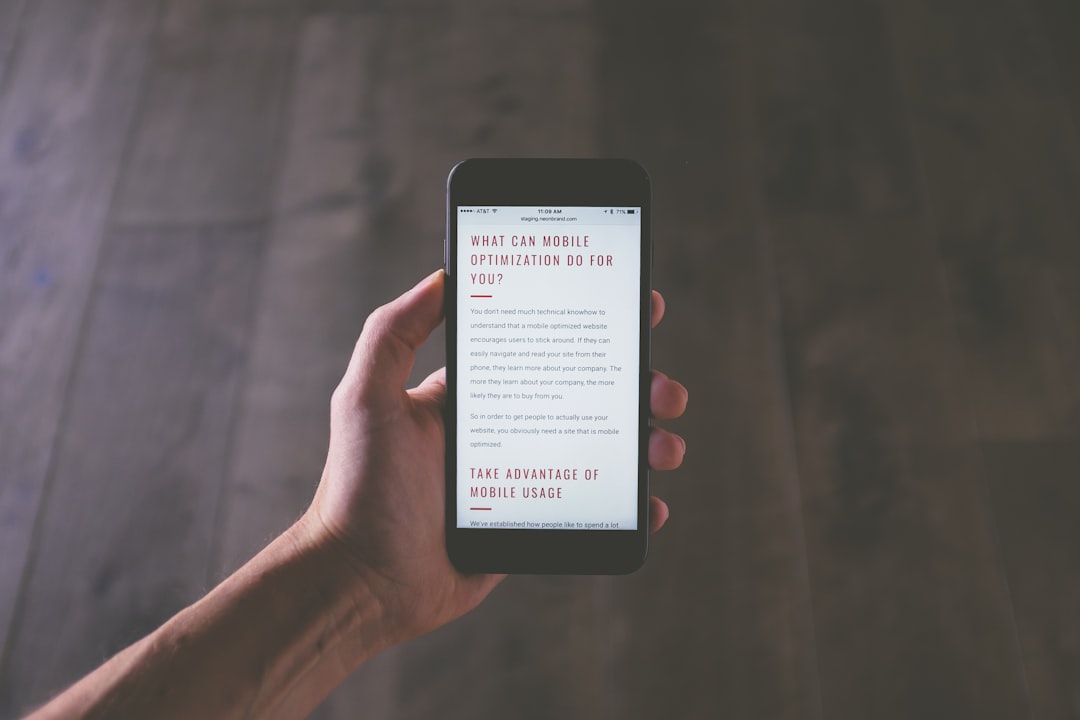
Mobile-friendly delivery matters more than most agencies account for. A lot of small business owners will open your proposal on their phone between meetings, not at a desktop. Test your proposal on a phone screen before sending. If pricing tables collapse into unreadable columns or your CTA button disappears off-screen, you're losing deals to a formatting oversight, not a pricing objection.
Tools and Templates to Streamline Your Proposal Process
You don't need custom software to run a fast, professional proposal process, but the right tools cut your creation time from hours to minutes.
Proposal platforms like Proposify, PandaDoc, and Better Proposals let you build a master template once, then duplicate and customize for each client. Most include e-signature, view tracking (so you know when a prospect opens and how long they spend on each section), and automated follow-up reminders. For an agency sending several proposals a week, the time saved alone justifies the subscription cost.
If you're reselling chatbots through a white-label provider, check whether they already supply proposal templates or sales collateral you can adapt. Many providers offer pre-built pitch decks, ROI calculators, or even sample proposal language specifically written for their platform's features, which saves you from writing feature descriptions from scratch. This is one of the underrated benefits of white-label over building your own chatbot infrastructure: the sales enablement material often comes bundled in, letting you focus on customizing for the client rather than explaining the tech from zero. Check out ChatForger's features page if you want to see what a modern white-label chatbot setup should include before you build proposal language around it, and compare pricing tiers to make sure your client-facing pricing structure leaves healthy margin room.
Build a library of customizable sections for different chatbot use cases (e-commerce, SaaS, service businesses) rather than one rigid template. Store these as separate blocks you can mix and match, problem statement variants, use case descriptions, ROI language, so assembling a new proposal takes 20 minutes instead of two hours.
Automation features worth using include variable fields that auto-populate the client's name, company, and pricing tier across the document, and templated follow-up emails triggered when a proposal goes unopened for 48 hours. Small automations like these reduce the manual admin that eats into your actual selling time.
Finally, connect your proposal tool to your CRM if you're running enough volume to justify it. Even a basic integration that logs when a proposal is sent, opened, and signed keeps your pipeline visibility clean and stops deals from falling through the cracks between spreadsheets and inboxes.
FAQ
What should I include in the chatbot implementation timeline section?
Break it into weekly milestones: discovery and content collection, build and training, internal testing, launch, and ongoing optimization. Clients respond better to specific weeks than vague phrases like "a few weeks out." Even if your actual delivery shifts slightly, a structured timeline reduces the client's anxiety about the unknown and makes your process look organized.
How do I calculate ROI for a chatbot proposal when the client has no baseline data?
Use industry averages and label them clearly as estimates rather than guarantees. A reasonable approach: estimate current time spent on repetitive inquiries based on similar businesses, apply a conservative deflection rate (50 to 70 percent), and multiply by average staff hourly cost. Show the math directly in the proposal so the client can trace the number back to a logical calculation instead of taking your word for it.
Can I use the same proposal template for all my chatbot clients?
The structure can stay the same across every client, executive summary, problem statement, solution, pricing, ROI, terms, and call to action. But the language inside each section should shift based on the client's industry. An e-commerce client cares about cart recovery, a SaaS company cares about lead qualification, and a dental office cares about appointment bookings. Keep a swipe file of vertical-specific language so you're assembling a customized proposal quickly rather than sending a generic document that feels copy-pasted.
What's the ideal length for a chatbot proposal in 2026?
Most effective proposals run 4 to 6 pages, long enough to cover the problem, solution, pricing, and terms clearly, short enough that a busy owner reads the whole thing in one sitting. Anything longer risks losing the reader before they reach your pricing and call to action. If you need to include lengthy technical detail, move it to an appendix rather than the main