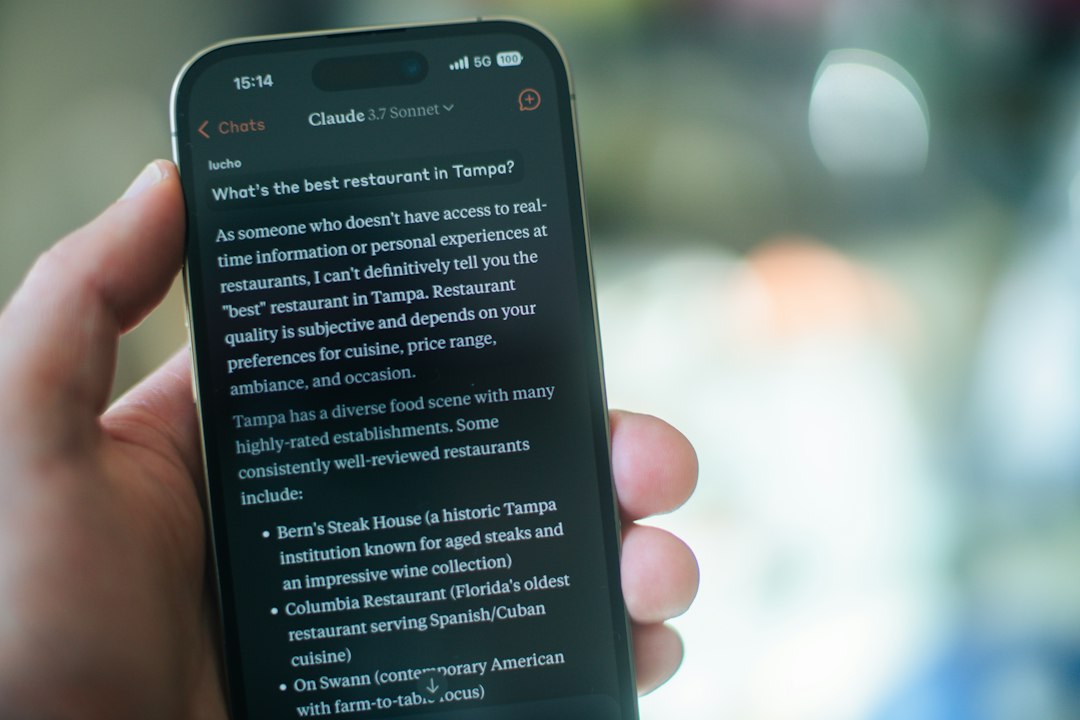
 Photo by Aerps.com on Unsplash
Introduction: Why Chatbot Contracts Matter More Than Ever
A client's chatbot tells a customer the wrong return policy. The customer acts on it, loses money, and files a complaint. The client calls you, the agency that built and manages the bot, asking who's going to cover the cost. If your contract doesn't answer that question clearly, you're about to find out the hard way, probably in a conversation with a lawyer instead of a client.
This scenario is becoming common as more agencies deploy chatbots across sales, support, and lead generation. The regulatory landscape around AI tools has tightened considerably heading into 2026. State-level AI disclosure laws, updated FTC guidance on automated decision-making, and sector-specific rules for healthcare and finance have all added new layers of obligation that didn't exist when most agencies wrote their original service agreements. If your contract template is more than two years old, it almost certainly has gaps.
At the same time, liability exposure is rising simply because agencies are shipping more bots, faster. When you had one or two chatbot clients, a handshake-and-email-thread approach to compliance was risky but survivable. When you're running fifteen, twenty, fifty chatbot deployments across different industries, the odds that one of them says something wrong, mishandles data, or gets flagged for a compliance violation go up fast. Volume creates exposure.
Compliance gaps don't usually blow up quietly. They show up as client disputes over who's responsible for a mistake, demands for refunds or damages, and in worse cases, regulatory complaints that name both the client and the agency that built the tool. Once a dispute reaches that stage, the only thing that matters is what the contract actually says. Verbal assurances, project proposals, and good intentions carry no weight in that room.
This is exactly why chatbot compliance and liability clauses deserve the same rigor agencies now apply to scope and pricing. A properly structured contract doesn't just protect your agency from lawsuits. It protects your client relationships by setting clear expectations upfront, so nobody is surprised when something inevitably goes wrong. Every chatbot makes mistakes eventually. The question is whether your paperwork says who owns the fix.
Understanding AI Chatbot Liability Frameworks
Who Bears Responsibility: Agency, Chatbot Provider, or End Client?
This is the question every chatbot contract needs to answer, and most don't answer it clearly enough. In a typical agency setup, there are at least three parties who could theoretically bear responsibility when something goes wrong: the underlying AI/chatbot platform provider, your agency as the builder and reseller, and the end client who deploys the bot to their customers.
In practice, liability tends to flow based on who had control over the decision that caused the problem. If the platform itself had a technical failure, say an outage or a security flaw in the underlying infrastructure, that liability generally sits with the provider. If your agency configured the bot with bad logic, fed it inaccurate training material, or failed to set up proper guardrails, that liability points at you. If the client changed the bot's content after handoff, ignored your recommendations on compliance disclosures, or used the bot in a way outside its intended scope, that liability shifts to them.
The problem is that real-world incidents rarely fall cleanly into one bucket. A bot gives bad information because the client uploaded outdated documents, but your agency's prompt design didn't include a fallback to flag uncertainty. Who's at fault there? Without contract language that explicitly assigns responsibility by scenario, you're negotiating liability after the fact, usually while a client is angry and looking for someone to blame.
Common Liability Scenarios
A few patterns show up again and again in chatbot-related disputes:
Data breaches. A chatbot that collects customer information, even something as simple as an email address for a support ticket, becomes a potential liability if that data is exposed. This is especially true when agencies use third-party platforms with unclear data handling practices.
Misinformation. Chatbots hallucinate, misstate policies, or give advice they shouldn't. When a customer relies on that information and suffers a loss, financial or otherwise, the client's business is the first target, but the agency isn't automatically insulated.
Compliance violations. This covers everything from accessibility failures (ADA-related complaints about chatbot interfaces) to improper use of consumer data under state privacy laws, to industry-specific violations like giving financial advice without proper disclosures.
Consumer protection violations. If a chatbot sends automated text messages or emails that don't comply with TCPA or CAN-SPAM rules, both the client and the agency that built the automation can be named in a complaint.
White-Label vs Proprietary Chatbot Liability
There's a meaningful difference in liability exposure depending on whether you're reselling a white-label chatbot platform or you've built something proprietary from scratch.
With white-label tools, the underlying platform provider typically carries some responsibility for the core technology's performance and security, assuming you're using the tool as intended. Your agency's exposure is mostly tied to configuration, content, and how you represent the tool's capabilities to your client. This is one of the practical advantages of white-label resale: you're not on the hook for infrastructure-level failures, only for what you built on top of it.
With proprietary builds, especially ones using custom code or self-hosted models, your agency absorbs more of the technical liability because there's no upstream provider to share responsibility with. This doesn't mean proprietary is a bad business model, but it does mean your contracts need to be more detailed about what you warrant and what you don't, because you can't point to a platform agreement as backup.
If you're deciding between these models for a new client, it's worth reading our breakdown on chatbot licensing vs ownership, since ownership structure directly affects who holds liability when something breaks.
Industry-Specific Regulations
Healthcare, finance, and legal clients carry extra regulatory weight. A chatbot deployed for a healthcare client may trigger HIPAA considerations if it touches any patient information, even indirectly. Financial services chatbots can run into disclosure requirements under state and federal lending or investment advice rules. Legal industry bots risk unauthorized practice of law claims if they give advice that sounds too specific.
Agencies serving these verticals need contract language that goes beyond general liability and addresses sector-specific compliance explicitly. A generic chatbot services agreement written for an e-commerce client will not hold up if you try to reuse it for a healthcare client without modification.
How Liability Insurance Intersects With Contract Terms
Your contract and your insurance policy need to say the same thing. If your contract promises indemnification for data breaches but your general liability policy excludes technology errors, you've created a gap that only becomes visible when you need coverage most. This is why liability clauses and insurance requirements should be reviewed together, not treated as separate checkboxes.
Essential Compliance Clauses for Chatbot Resale Contracts
Every chatbot contract should include a core set of compliance clauses, regardless of industry or deployment size. Here's what belongs in there.
Data protection and GDPR/CCPA compliance requirements. Spell out exactly what data the chatbot collects, how it's stored, who has access, and how long it's retained. If you're serving clients with customers in the EU or California, your contract needs explicit language confirming compliance with applicable data subject rights, including deletion requests and data portability. Don't assume your chatbot platform handles this automatically. Check, and then state it in writing.
AI transparency and disclosure obligations. A growing number of jurisdictions require that customers be told when they're interacting with an AI system rather than a human. Your contract should require the client to implement this disclosure and should specify who is responsible for the disclosure language itself (usually the agency provides it, the client approves and implements it).
Bias and discrimination prevention language. If a chatbot is used in hiring, lending, housing, or similar high-stakes decisions, there's real legal exposure around discriminatory outputs. Your contract should state what testing was done (if any) and disclaim liability for outcomes outside the chatbot's documented intended use.
Accuracy and warranty limitations. This is one of the most important and most frequently botched clauses. Agencies often promise more accuracy than any AI system can reasonably guarantee. The contract should clearly state that the chatbot is provided "as is" for informational purposes, that outputs are generated based on available data and may contain errors, and that the client is responsible for reviewing and validating any customer-facing content before it goes live.
Record-keeping and audit trail requirements. Especially for regulated industries, you need language specifying that conversation logs are retained for a defined period and can be produced if a compliance audit or legal dispute requires it. This protects both parties: the client needs evidence for regulators, and your agency needs evidence that the bot behaved as configured.
Consumer protection law compliance. If the chatbot sends any automated messages via SMS or email, TCPA and CAN-SPAM compliance needs explicit contract language. State clearly whether your agency or the client is responsible for obtaining consent, managing opt-outs, and maintaining suppression lists.
Getting these clauses right the first time saves you from renegotiating every contract individually. It's worth building a standard compliance addendum you attach to every chatbot services agreement, then customizing only the industry-specific sections per client.
Structuring Liability Limitations and Indemnification
How to Properly Cap Liability in White-Label Agreements
Liability caps are standard practice, but they need to be structured correctly to hold up. A common approach is capping total liability at the amount paid by the client over a defined period, often the trailing 12 months of fees. This gives both parties a predictable ceiling instead of open-ended exposure.
The cap should explicitly carve out certain categories, which we'll cover below, and should be mutual where possible. A one-sided cap that protects only your agency tends to get pushback from sophisticated clients and their lawyers, and reasonably so.
Indemnification Language Protecting Agencies From Client Misuse
Indemnification clauses should work in both directions. Your agency indemnifies the client for issues caused by your negligence or breach of the agreement. The client indemnifies your agency for issues arising from their misuse of the chatbot, including unauthorized content changes, failure to implement required disclosures, or using the bot outside its documented scope.
This second part is often missing from agency-drafted contracts, usually because agencies default to protecting the client and forget to protect themselves. If a client edits the chatbot's responses after handoff and something goes wrong, your indemnification clause needs to make clear that this falls on them, not you.
Carve-Outs: What You Cannot Legally Limit Liability For
Liability caps don't apply universally. Most jurisdictions won't enforce liability limitations for gross negligence, willful misconduct, or violations of certain consumer protection statutes. Data breach liability in many states also has statutory minimums that can't be contracted away. Don't try to write around these. A contract that attempts to cap liability for something a court won't allow just looks sloppy if it ever gets challenged, and it can undermine confidence in the rest of your agreement.
Insurance Requirements and Verification Processes
Your contract should specify what insurance coverage your agency carries and, in many cases, what coverage you require the client to carry as well. This is particularly relevant for clients in regulated industries who are deploying the chatbot in ways that create elevated risk. Don't just list policy types, actually verify coverage amounts and request certificates of insurance where the stakes are high enough to justify the extra step.
General Liability vs Errors & Omissions Coverage
General liability insurance typically covers physical injury and property damage, which rarely applies to chatbot work. Errors and omissions (E&O) insurance, sometimes called professional liability insurance, covers mistakes in the service you provide, which is the relevant category for chatbot deployments. If your agency only carries general liability, you likely have a coverage gap for the exact scenarios most likely to generate a claim. This is worth a conversation with your insurance broker before you scale chatbot services further, not after a claim comes in.
Protecting Your Agency: SLA and Performance Standards
Setting Realistic Uptime and Performance Guarantees
Clients often want aggressive uptime promises, but overpromising here creates liability you don't need. Set guarantees that reflect what your platform or provider actually commits to, and pass through any limitations rather than inflating them to win the deal. If you're unsure what metrics to include, our guide on chatbot performance benchmarks covers specific SLA language agencies use successfully.
Output Accuracy Disclaimers and Training Data Limitations
Be explicit that chatbot accuracy depends on the quality and currency of the training data or knowledge base provided by the client. If the client doesn't update their product catalog and the bot gives outdated pricing, that's a data maintenance issue, not a platform failure, and your contract should say so.
How to Handle Chatbot Errors and Client Remediation
Define a clear process for what happens when an error is reported: response time commitments, who investigates, and what remediation looks like (fix, credit, or escalation). Clients are far more forgiving of mistakes when there's a defined process than when they feel like they're starting from zero every time something breaks. This connects closely with how you explain failures in the first place. Our piece on chatbot failure modes is useful both for contract language and for the actual client conversation when something goes sideways.
Documentation Requirements for Compliance Audits
Specify what documentation your agency maintains and for how long: conversation logs, configuration change history, training data versions. This protects you if a client later claims you made an unauthorized change or if a regulator asks the client to demonstrate compliance history.
Termination Rights When Compliance Is Breached
Build in termination rights for both parties if the other side breaches compliance obligations materially, especially around data handling or required disclosures. This gives your agency an exit if a client refuses to implement required AI disclosure language, for example, rather than leaving you stuck servicing a bot you know is out of compliance.
Red Flags: What NOT to Include in Chatbot Contracts
A few patterns show up repeatedly in agency contracts that create more risk than they solve.
Overconfident accuracy claims. Language promising the chatbot will "always" provide accurate information or "never" give incorrect responses is an invitation for a lawsuit the moment it inevitably fails. Replace absolute language with realistic, qualified statements about expected performance.
Missing data retention and deletion policies. If your contract is silent on how long data is kept and how it's deleted, you have no defense when a client or regulator asks why old customer data was still sitting in your system two years after collection.
Inadequate disclosure about AI decision-making. If your chatbot makes any kind of recommendation, routing decision, or eligibility assessment, failing to disclose that an AI system is making that call creates transparency liability that's increasingly enforced.
Ambiguous responsibility assignments. Vague language like "the parties will work together to ensure compliance" sounds collaborative but means nothing in a dispute. Specify exactly who does what.
Terms that conflict with evolving regulations. AI-specific laws are changing faster than most contract templates get updated. A clause that was fine in 2023 may now contradict a new state disclosure requirement. Build in a review cadence, at minimum annually, to check your standard contract language against current regulations.
These same scope and responsibility issues tend to resurface in change requests and upsells, which is why it helps to pair your compliance review with a clear change order framework so new features don't quietly expand your liability without a corresponding contract update.
FAQ: Chatbot Compliance and Liability Questions
What specific compliance certifications should my chatbot provider have?
Look for SOC 2 compliance at minimum if the platform handles any customer data, and GDPR/CCPA compliance documentation if you serve clients with EU or California customers. For healthcare-adjacent use cases, confirm whether the provider offers a HIPAA-compliant configuration or BAA (Business Associate Agreement). Don't take marketing claims at face value, ask for the actual documentation and read it.
Can agencies be liable for chatbot hallucinations or misinformation?
Yes, particularly if the agency configured the bot, selected the training data, or represented the tool's accuracy in ways that exceeded what it could reasonably deliver. This is exactly why accuracy disclaimers and clear responsibility language in your contract matter so much. A well-drafted contract won't eliminate this liability entirely, since gross negligence carve-outs still apply, but it significantly reduces exposure for ordinary AI limitations that everyone in the industry understands are inherent to the technology.
How do I protect clients' data if using third-party chatbot platforms?
Start by reviewing the platform's own data processing agreement and make sure your client contract references and aligns with it. Specify what data flows where, who can access it, and what happens to it if the client relationship ends. If you're evaluating platforms, our features overview covers what to check before committing to a provider for client work.
What disclosure language is required in customer-facing chatbot interactions?
Requirements vary by jurisdiction, but a safe baseline includes a clear statement that the customer is interacting with an automated system, an easy way to reach a human if needed, and a basic data privacy disclosure if any personal information is collected. Build this into your standard deployment checklist so it's not something clients have to remember to ask for.
Should agencies require clients to obtain separate AI liability insurance?
For higher-risk deployments, yes. It's reasonable to require clients in regulated industries, or those deploying bots that handle sensitive transactions, to carry their own coverage in addition to whatever your agency maintains. This isn't about distrust, it's about making sure liability doesn't fall entirely on your agency's policy when the client's business model is what creates the elevated risk in the first place.
Getting your contracts right on compliance and liability isn't a one-time task. As your agency takes on new verticals, adds retainer clients, or shifts pricing models, your exposure changes too. Treat your chatbot contract template as a living document, review it at least annually, and update it every time you take on a client in a new regulated industry. The agencies that build this into their process now are the ones who won't be scrambling to explain a compliance gap after a client dispute lands on their desk. If you're building out your chatbot service stack and want a platform that makes compliance documentation easier to manage from day one, take a look at what ChatForger offers, or check current pricing to see how it fits into your existing client contracts.